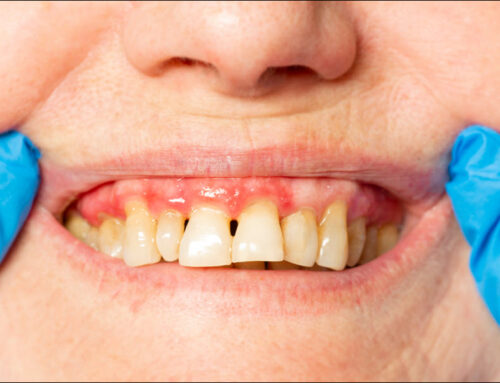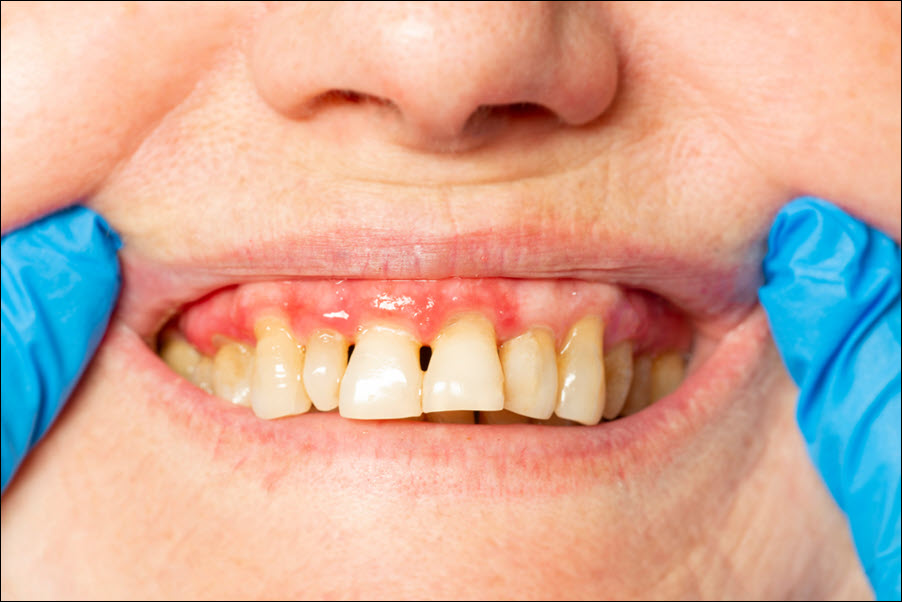
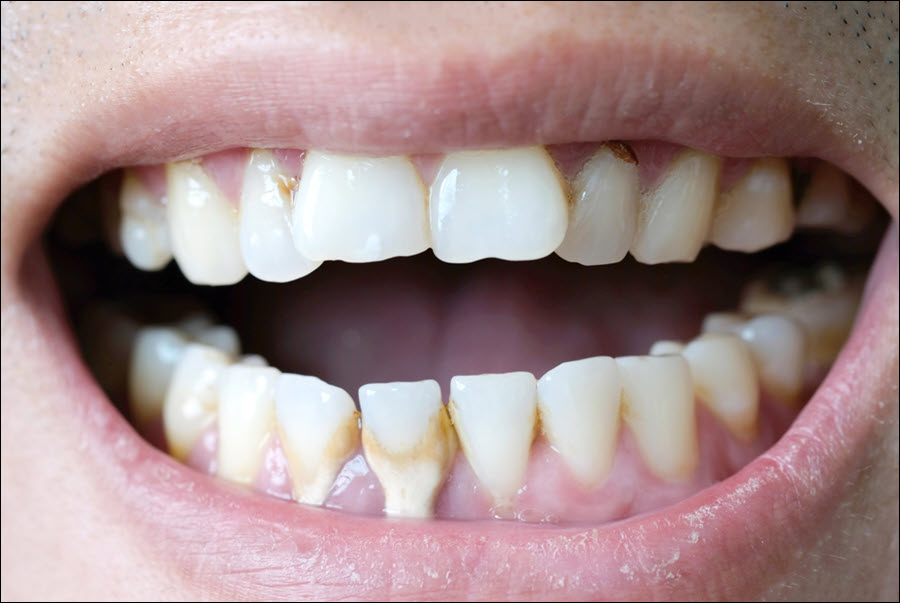
Healthy gums should not regularly feel sore, swollen, or painful. While occasional irritation can happen, persistent gum pain may be a sign that your mouth needs professional attention. Identifying the cause early can help relieve discomfort and prevent a minor problem from becoming more serious.
At Bridge Street Dental Center, we encourage patients to pay attention to changes in their gums and seek dental care when discomfort does not improve.
What Causes Gum Pain?
 Gum pain can have many causes. Sometimes, the problem is as simple as brushing too aggressively or accidentally injuring your gums with a hard or sharp piece of food.
However, recurring or persistent discomfort may indicate an underlying dental condition. Common causes of sore gums include:
- Gingivitis or gum disease
- Plaque and tartar buildup
- Food trapped between teeth
- Brushing or flossing too aggressively
- Canker sores or other mouth sores
- A damaged or infected tooth
- Dental abscesses
- Poorly fitting dental appliances
Because several dental conditions can cause similar symptoms, an examination may be necessary to determine the source of your discomfort.
Can Gum Disease Cause Pain?
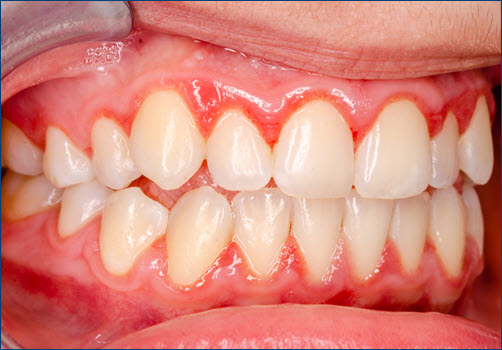
Gum disease is a common cause of gum problems. Its earliest stage, known as gingivitis, develops when plaque accumulates around the gumline and causes inflammation.
Your gums may appear red or swollen and bleed when you brush or floss. Early gum disease does not always cause significant pain, which makes regular dental examinations especially important.
Without treatment, gingivitis can progress to periodontitis. Advanced gum disease can damage the tissues and bone that support your teeth and may eventually contribute to tooth loss.
What Can You Do for Sore Gums?
If your gums are mildly irritated, maintaining good oral hygiene is important. Continue brushing twice daily using a soft-bristled toothbrush, but use gentle pressure around sensitive areas.
Floss carefully to remove plaque and food particles between your teeth. A warm saltwater rinse may also temporarily soothe irritated gum tissue.
Do not stop brushing or flossing simply because your gums bleed. Bleeding may indicate inflammation that requires improved oral hygiene or professional dental care.
However, home care should not be used as a substitute for an examination when symptoms are persistent or severe.
When Should You See a Dentist for Gum Pain?
Schedule a dental appointment if gum pain lasts for several days, repeatedly returns, or becomes worse.
You should also seek care if you notice persistent bleeding, significant swelling, receding gums, pus around a tooth, loose teeth, or ongoing bad breath.
Severe pain or swelling may indicate an infection or abscess that requires prompt attention. Facial swelling, fever, or difficulty swallowing or breathing requires urgent medical evaluation.
How Can You Prevent Gum Problems?
Daily oral hygiene is one of the best ways to maintain healthy gums. Brush twice a day with fluoride toothpaste, floss every day, and maintain regular professional dental cleanings.
Avoiding tobacco products and limiting frequent sugary foods and drinks can also support better oral health.
Get Help for Gum Pain
Gum discomfort should not become something you simply learn to live with. Determining what is causing the problem is the first step toward protecting your teeth and gums.
Bridge Street Dental Center provides preventive, restorative, and periodontal dental care to help patients maintain healthy smiles. If you are experiencing sore, swollen, bleeding, or painful gums, contact our office to schedule an evaluation.