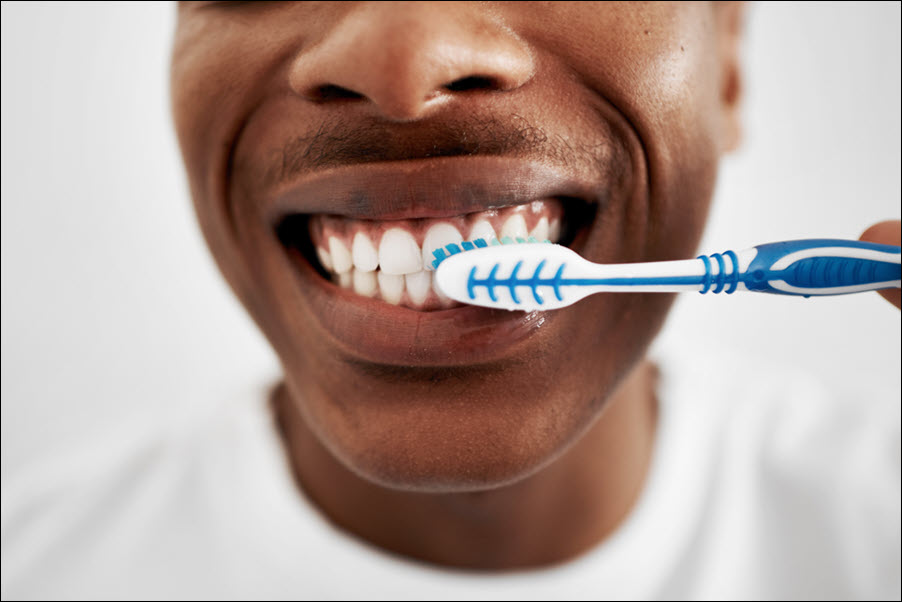
A healthy smile starts at home. While regular dental checkups and professional cleanings are essential, what you do every day plays a major role in preventing cavities and gum disease. A good oral hygiene routine should include brushing, flossing and rinsing to keep your teeth and gums clean.
At Bridge Street Dental Center, we encourage patients to develop simple daily habits that can protect their smiles for years to come.
Why Is Brushing Your Teeth So Important?
 Brushing removes plaque, food particles, and bacteria from the surfaces of your teeth. When plaque is not removed regularly, it can contribute to tooth decay and gum disease.
Brush your teeth twice a day for about two minutes each time. Use a soft-bristled toothbrush and fluoride toothpaste. Hold your toothbrush at a slight angle toward the gumline and use gentle, short strokes.
Avoid brushing too aggressively. Applying excessive pressure can irritate your gums and contribute to enamel wear over time.
Remember to brush all surfaces of your teeth, including the fronts, backs, and chewing surfaces.
Why Do You Need to Floss?
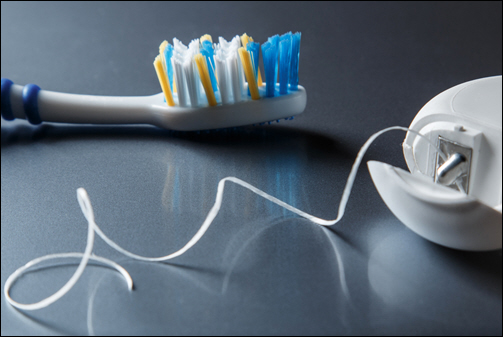
Even thorough brushing cannot effectively clean every area between your teeth. Dental floss helps remove plaque and food particles from these spaces and around the gumline.
Floss at least once a day. Gently guide the floss between two teeth and curve it around the side of each tooth. Move it carefully below the gumline without snapping it against your gums.
If traditional floss is difficult to use, ask your dental team about alternatives. Interdental brushes, floss holders, and water flossers may be helpful for some patients.
The most important thing is to clean between your teeth consistently.
Should You Use Mouthwash?
Mouthwash can be a useful addition to your oral hygiene routine, but it should not replace brushing and flossing.
Depending on the product, an oral rinse may help reduce bacteria, freshen breath, provide fluoride to strengthen enamel, or help control plaque and gingivitis.
Not every mouthwash is appropriate for every patient. Your dentist or dental hygienist can recommend a product based on your specific oral health needs.
For the best results, follow the directions on the mouthwash label or instructions provided by your dental team.
Don’t Forget Your Tongue
Bacteria can also accumulate on your tongue and contribute to bad breath. Gently brushing your tongue or using a tongue cleaner can be another beneficial part of your daily routine.
Replacing your toothbrush regularly is also important. Consider getting a new toothbrush or electric toothbrush head every three to four months, or sooner if the bristles become worn or frayed.
Combine Home Care With Regular Dental Visits
Even excellent brushing, flossing and rinsing cannot remove hardened tartar once it forms. Professional dental cleanings remove deposits that your toothbrush and floss cannot.
Routine examinations also allow your dentist to look for early signs of cavities, gum disease, and other oral health concerns.
Bridge Street Dental Center provides preventive and comprehensive dental care to help patients maintain healthy smiles at every stage of life. If you are due for a dental cleaning or have questions about improving your home oral hygiene routine, contact our office to schedule an appointment.