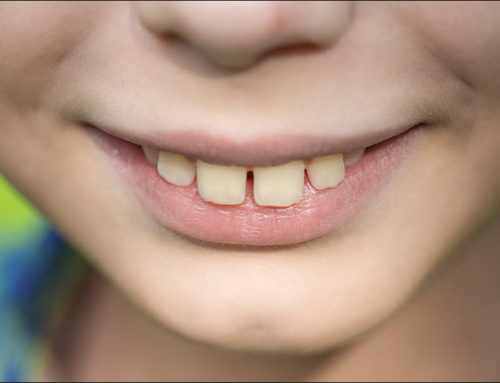
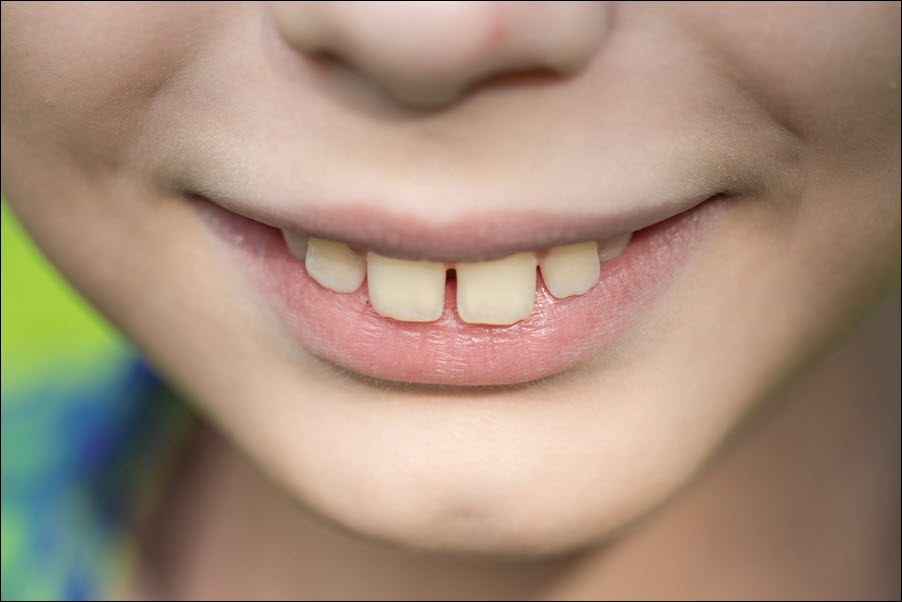
Your upper and lower teeth are designed to fit together in a specific way when you close your mouth. When the upper front teeth overlap the lower front teeth more than expected, you may have an overbite. While some degree of overlap is normal, a significant overbite can sometimes affect your teeth, gums, jaw, and overall oral health.
At Bridge Street Dental Center, evaluating your bite is an important part of comprehensive dental care. Identifying bite problems can help prevent excessive wear and other complications.
What Is an Overbite?
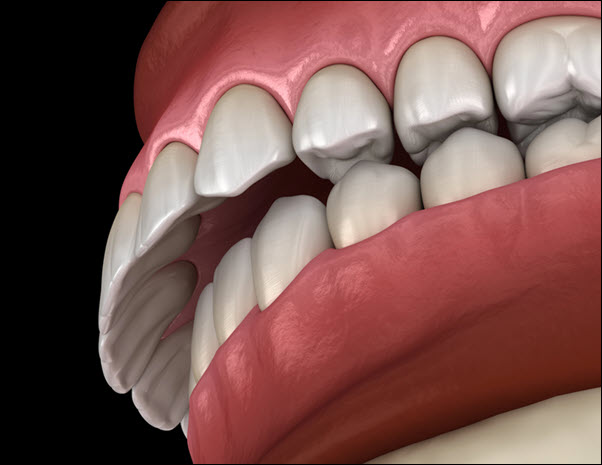 An overbite describes the vertical overlap of the upper front teeth over the lower front teeth. Most people naturally have some overlap. The condition becomes more significant when the upper teeth cover an excessive portion of the lower teeth.
An overbite is sometimes confused with an overjet. Although the conditions can occur together, they are different. An overbite describes vertical overlap, while an overjet refers to upper teeth that extend horizontally too far in front of the lower teeth.
A dental examination can determine the type and severity of your bite concern.
What Causes an Overbite?
Overbites can develop for several reasons. Genetics can play a role because the size and shape of your jaw and teeth may be inherited.
Childhood habits can also influence how the teeth and jaws develop. Prolonged thumb sucking or pacifier use, for example, may contribute to changes in tooth position.
Other possible contributing factors include:
- Differences in upper and lower jaw development
- Crowded or improperly positioned teeth
- Missing teeth
- Teeth grinding or clenching
- Certain childhood oral habits
Because every patient’s bite is different, determining the underlying cause is an important part of planning treatment.
Can an Overbite Cause Dental Problems?
A mild overbite may not cause problems or require treatment. However, a more significant overbite can sometimes place excessive pressure on certain teeth.
Over time, this may contribute to worn or chipped teeth. In some cases, the lower front teeth may contact the backs of the upper teeth or gum tissue, causing additional wear or irritation.
A significant bite problem may also contribute to difficulty chewing, jaw discomfort, or problems keeping certain areas clean.
For some patients, appearance is another concern. Correcting an overbite may improve the balance of the smile and facial profile.
How Is an Overbite Treated?
Treatment depends on your age, the severity of the overbite, and whether the problem involves tooth position, jaw development, or both.
Orthodontic treatment may be recommended to gradually move the teeth into better alignment. Depending on the individual case, this could involve traditional braces or clear aligners.
Children with developing jaws may have additional treatment options because growth can sometimes be guided as part of orthodontic care.
More complex overbites involving significant jaw discrepancies may require evaluation by an orthodontist or another dental specialist.
When Should an Overbite Be Evaluated?
You do not need to wait until an overbite causes pain to have it evaluated. A dentist can examine your bite during routine dental visits and determine whether the amount of overlap is affecting your oral health.
An evaluation is particularly important if you notice excessive tooth wear, chipped teeth, jaw discomfort, difficulty chewing, or irritation behind the upper front teeth.
Get a Professional Evaluation at Bridge Street Dental Center
Not every overbite needs to be corrected. The goal is to determine whether your bite is healthy, comfortable, and functioning properly.
Bridge Street Dental Center provides comprehensive dental care to help patients maintain healthy teeth, gums, and bites. If you have concerns about an overbite or the alignment of your teeth, contact our office to schedule an evaluation and discuss your treatment options.